
In yesterday’s post, we talked about lipids and the critical role fats play in the body. However, another thing you may have heard before is that omega-3 fatty acids are among the most beneficial fats we can consume. Omega-3s are often associated with fish, leading many people to wonder: If I don’t eat fish, can I still get enough omega-3s?
While fish is a well-known source of omega-3 fatty acids, it is far from the only source. In fact, fish do not produce omega-3s themselves, they obtain them from the algae and marine plants lower in the food chain. Understanding where omega-3s come from can help us make informed choices about how to include them in our diets.
What Are Omega-3 Fatty Acids?
Omega-3s are a family of polyunsaturated fats that play important roles throughout the body. They are involved in brain function, heart health, vision, cell membrane structure, and regulating inflammation.
There are three main omega-3 fatty acids that we often talk about..
ALA (Alpha-Linolenic Acid)
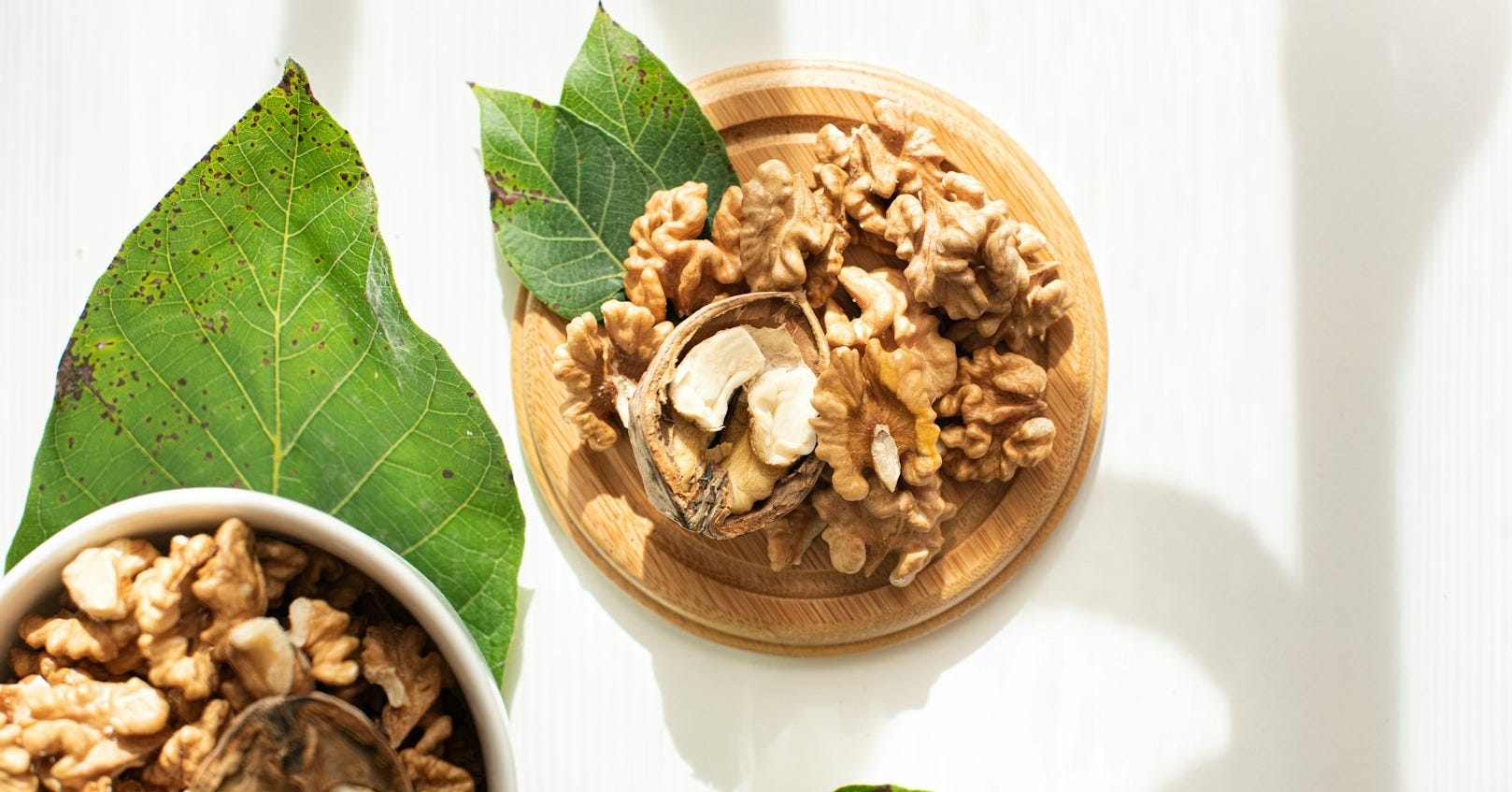
ALA is considered an essential fatty acid, meaning the body cannot make it, and it must come from food. Sources of ALA include flaxseeds, chia seeds, hemp seeds, walnuts, and soybeans.
EPA (Eicosapentaenoic Acid)
EPA is primarily associated with marine foods and plays important roles in cardiovascular and immune health.
DHA (Docosahexaenoic Acid)
DHA is a major structural component of the brain and retina and is especially important during pregnancy, infancy, and early childhood.
Can the Body Make EPA and DHA?
Yes, to some extent. The body can convert a portion of the ALA we eat into EPA and DHA. However, this conversion is relatively inefficient and varies between individuals.
For most healthy adults, regularly consuming ALA-rich foods can contribute meaningfully to omega-3 status. However, some people may choose to consume direct sources of DHA and EPA as an added safeguard.
Where Do Fish Get Their Omega-3s?
One of the most overlooked facts about omega-3 nutrition is that fish are not the original source of EPA and DHA.
Marine algae produce these omega-3 fatty acids. Small marine organisms consume the algae, fish consume those organisms, and the omega-3s move up the food chain. In other words, fish act as a middleman.
This is why algae-based omega-3 supplements have become increasingly popular—they provide EPA and DHA directly from the original source.
Plant Sources of Omega-3s
Many plant foods contain significant amounts of ALA and can easily be incorporated into everyday meals.
Some examples include:
Ground flaxseed stirred into oatmeal or smoothies
Chia seeds added to yogurt or overnight oats
Walnuts as a snack or salad topping
Hemp seeds sprinkled on grain bowls
Soy foods such as tofu, tempeh, and edamame
These foods also provide additional nutrients such as fiber, protein, vitamins, minerals, and beneficial plant compounds.
What About Algae-Based Supplements?
On a plant-based diet, one way to get a direct source of DHA and EPA is algae-based supplements. These supplements contain the same omega-3 fatty acids found in fish and fish oil because they are derived from the algae that originally produce them.
Many plant-based health organizations consider algae-derived DHA and EPA a practical option for individuals seeking a direct source of long-chain omega-3s (Restivo 2024).
The Bottom Line
Fish may be one source of omega-3 fatty acids, but it is not the only one. Plant foods such as flaxseeds, chia seeds, walnuts, hemp seeds, and soy products provide ALA, an essential omega-3 fat. In addition, algae-based supplements offer a direct source of DHA and EPA without requiring fish consumption.
Understanding where omega-3s come from helps us move beyond the myth that fish are the only option and focus instead on meeting our nutritional needs through a variety of evidence-based choices.
More resources to explore on Omega-3s:
“Omega-3 foods: Incorporating healthy fats into your diet” (Harvard Health)
“Omega-3 Fatty Acids - Health Professional Fact Sheet” (NIH)
“Omega-3 Fatty Acids” (Cleveland Clinic)
Want more like this? Check out the Plant-Powered Physicians Podcast for more tips, recipes, and evidence-based guidance to support your plant-forward journey.