This June: The Science Made Simple
Understanding Nutrition Without the Overwhelm

If you’ve ever felt confused by nutrition headlines, overwhelmed by health advice, or unsure who to trust when it comes to wellness, you are definitely not alone.
Social media is filled with strong opinions and quick fixes, creating what feels like an ocean of misinformation and contradiction. But at the same time, understanding your health shouldn’t require a degree in medicine or nutrition science.
That’s why this month’s theme is Science Made Simple. Throughout June, we’ll be exploring some of the most common topics in nutrition, lifestyle medicine, and human physiology in a way that is evidence-based, approachable, and practical. Rather than focusing on trends or sensational headlines, we’ll focus on understanding how the body works and what the research actually shows. Because when we understand the “why” behind health recommendations, making informed decisions becomes a LOT easier.
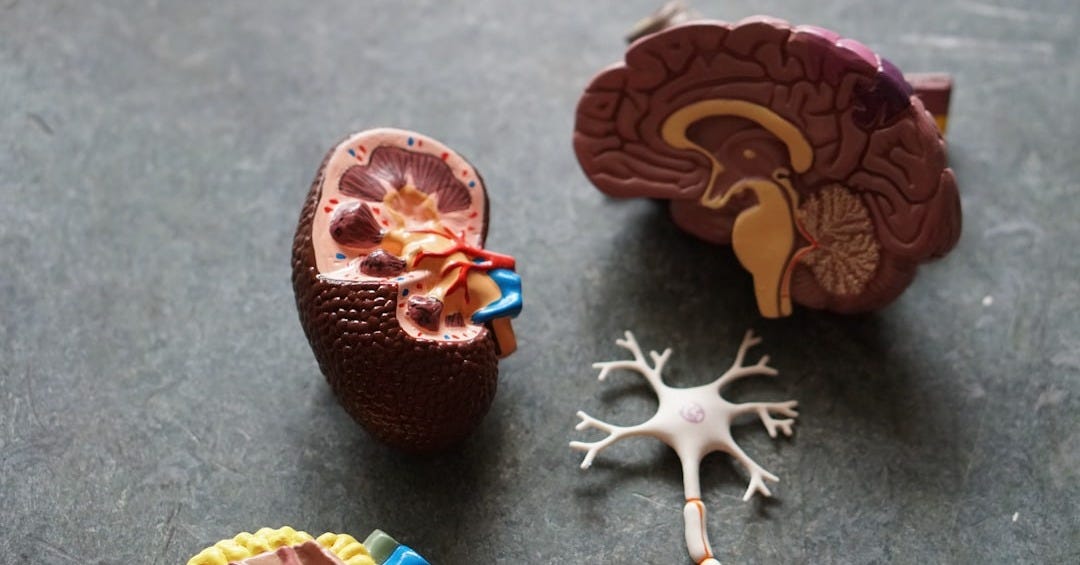
Curiosity Over Fear
A lot of the health content and marketing we are fed across media platforms is built around fear. Fear of eating the “wrong” foods, missing out on the latest supplement, or that we’re somehow doing everything wrong.
Curiosity, on the other hand, opens the door to learning and progress. Instead of focusing on what to avoid, we can ask:
What does fiber actually do in the body?
How does digestion work?
What is insulin, and why is it important?
Why do researchers care about cholesterol?
What do scientists mean when they talk about inflammation?
How should we interpret nutrition studies?
Understanding these concepts doesn’t just help us make better choices, it also helps us feel more confident navigating the constant stream of health information that surrounds us.
The Science Is Often Less Complicated Than It Seems
Scientific research can feel inaccessible because it’s communicated in technical language. Terms like “metabolic flexibility,” “glycemic response,” “microbiome diversity,” or “systemic inflammation” may sound complicated, but the underlying ideas are often pretty accessible.
For example:
Fiber helps feed beneficial bacteria that live in your gut.
Sleep helps regulate hormones that influence hunger and energy.
Physical activity supports cardiovascular health, mental well-being, and insulin sensitivity.
Social connection has measurable effects on both physical and mental health.
The science matters, but so does the way we talk about it. Our goal this month is not to turn all of us into scientists, but to make the science feel less intimidating and more useful.
Learning to Think Like a Health Detective
Perhaps the most important skill we can develop isn’t memorizing nutrition facts; it’s learning how to actually evaluate information, which we’ll be discussing throughout this month. Not all headlines accurately reflect the underlying research, and not every health claim deserves equal attention.
We’ll explore questions such as:
Why do nutrition studies sometimes seem to contradict each other?
What’s the difference between correlation and causation?
How can relative risk make findings sound more dramatic than they really are?
What does scientific consensus actually mean?
These skills can help us become more confident consumers of health information and less vulnerable to misinformation.
Learning Together
This month isn’t about optimizing every aspect of your life, it’s about learning how to learn, and finding joy in the process of cultivating a better understanding of our bodies and ourselves across all dimensions of our physical and mental wellbeing.
It’s not about tracking more metrics, buying more products, or following a perfect plan, it’s about learning, and replacing confusion with understanding. And it’s about discovering that many of the systems that keep us healthy are far more fascinating and far less mysterious than we often assume.
So whether you’re curious about digestion, metabolism, cholesterol, blood sugar, nutrition research, or the science behind plant-based eating, we invite you to join us.
Want more like this? Check out the Plant-Powered Physicians Podcast for more tips, recipes, and evidence-based guidance to support your plant-forward journey.
Great information made simply wonderful! TY