
Plants contain thousands of naturally occurring compounds that play important roles in human health. One of these, known as phytochemicals, is one of the many reasons why diets rich in fruits, vegetables, legumes, whole grains, nuts, and seeds are consistently associated with better health outcomes.
The word phytochemical comes from the Greek word phyto, meaning plant. Phytochemicals are bioactive compounds produced by plants that help protect them from pests, disease, and environmental stress. While they are not considered essential nutrients like vitamins or minerals, research suggests they may provide significant health benefits when consumed as part of a balanced diet.
Why Do Phytochemicals Matter?
Phytochemicals often act as antioxidants, helping protect cells from damage caused by unstable molecules known as free radicals. They may also support the body’s natural defense systems by reducing inflammation, supporting immune function, and promoting healthy cellular processes.
Scientists continue to study phytochemicals, but evidence suggests they may play a role in supporting:
Heart health
Brain health and cognitive function
Immune function
Healthy aging
Blood sugar regulation
Cancer prevention
Gut microbiome health
Common Types of Phytochemicals
There are thousands of phytochemicals found in plant foods, but some of the most well-known include…
Carotenoids
Carotenoids are pigments responsible for the bright orange, yellow, and red colors of many fruits and vegetables. Examples include beta-carotene, lutein, and lycopene.
Found in:
Carrots
Sweet potatoes
Pumpkin
Tomatoes
Red peppers
Leafy greens
Flavonoids
Flavonoids are one of the largest groups of phytochemicals and are known for their antioxidant properties.
Found in:
Berries
Apples
Onions
Citrus fruits
Tea
Cocoa
Glucosinolates
These sulfur-containing compounds are found primarily in cruciferous vegetables and are being studied for their potential role in cancer prevention.
Found in:
Broccoli
Brussels sprouts
Kale
Cabbage
Cauliflower
Polyphenols
Polyphenols are a diverse group of compounds associated with cardiovascular and metabolic health.
Found in:
Berries
Grapes
Coffee
Tea
Olives
Whole grains
How Can You Get More Phytochemicals?
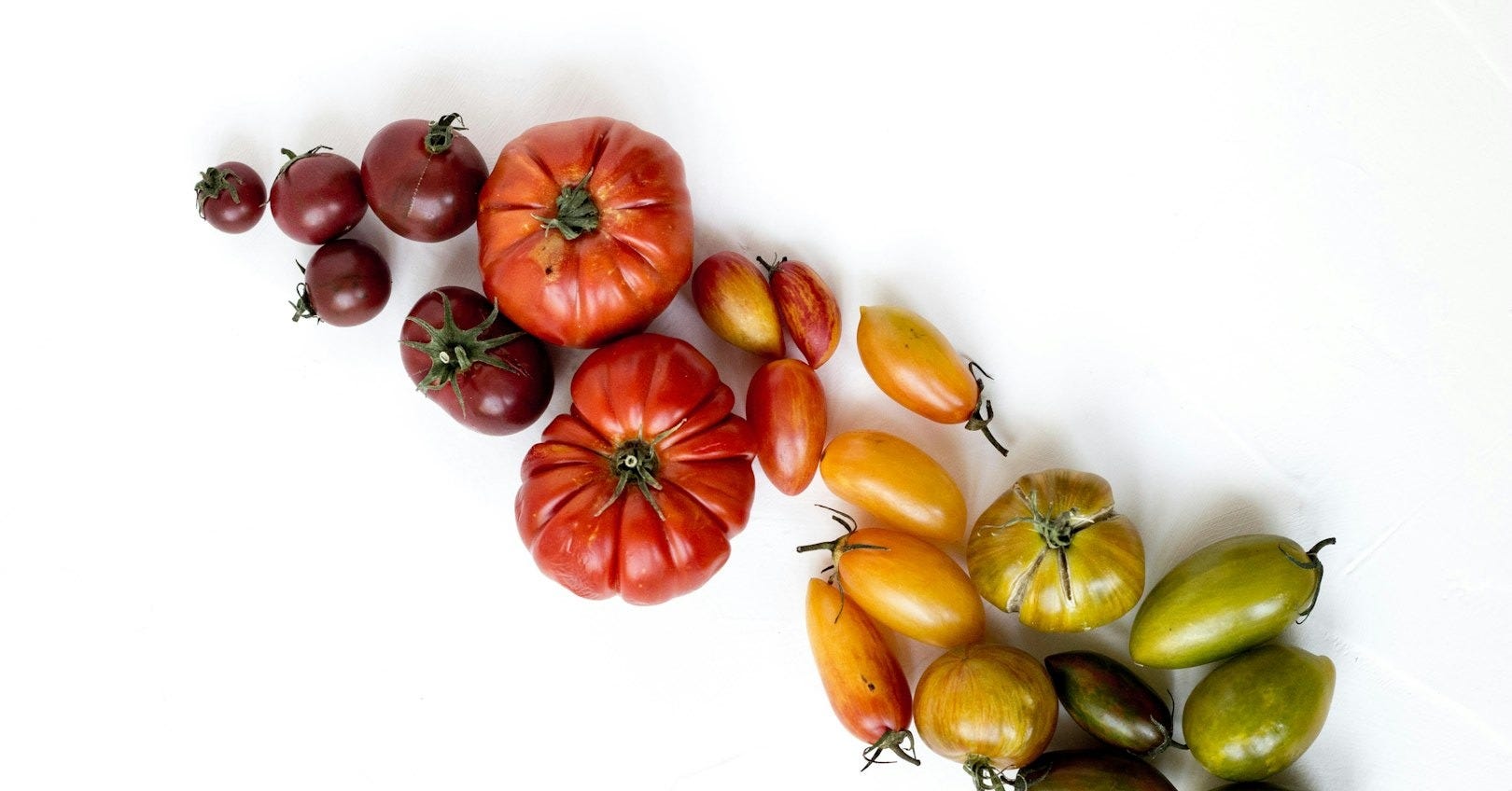
The best way to increase your phytochemical intake is simple: eat a variety of colorful plant foods. Different colors often indicate different phytochemicals, so aiming for a “rainbow” of fruits and vegetables can help maximize the diversity of beneficial compounds in your diet.
Try:
Adding berries to your breakfast
Snacking on colorful fruits and vegetables
Including leafy greens in meals
Choosing whole grains over refined grains
Incorporating beans, lentils, nuts, and seeds regularly
The Bottom Line
Phytochemicals are naturally occurring compounds found in plant foods that may help support long-term health. While researchers are still uncovering all of their functions, one thing is clear: a diet rich in colorful, minimally processed plant foods provides far more than just vitamins and minerals. Every fruit, vegetable, bean, whole grain, nut, and seed contains a unique combination of phytochemicals that work together to support overall well-being.
Want more like this? Check out the Plant-Powered Physicians Podcast for more tips, recipes, and evidence-based guidance to support your plant-forward journey.